


Where should I live in Brussels as an expat?
Where to live in Brussels as an expat?
Moving to Brussels is exciting, but choosing where to live can be surprisingly difficult. The Belgian capital is made up of very different neighbourhoods, each with its own atmosphere, lifestyle and advantages.
The best place to live in Brussels depends largely on where you work, how you like to spend your free time and how long you plan to stay.
For someone working for a European institution, the European Quarter may be the most convenient choice. Someone looking for restaurants, culture and nightlife may prefer the city centre, Ixelles or Saint-Gilles. And for professionals who travel frequently, areas close to Brussels Airport can be particularly practical.
Here is our guide to some of the best areas to consider when moving to Brussels as an expat.
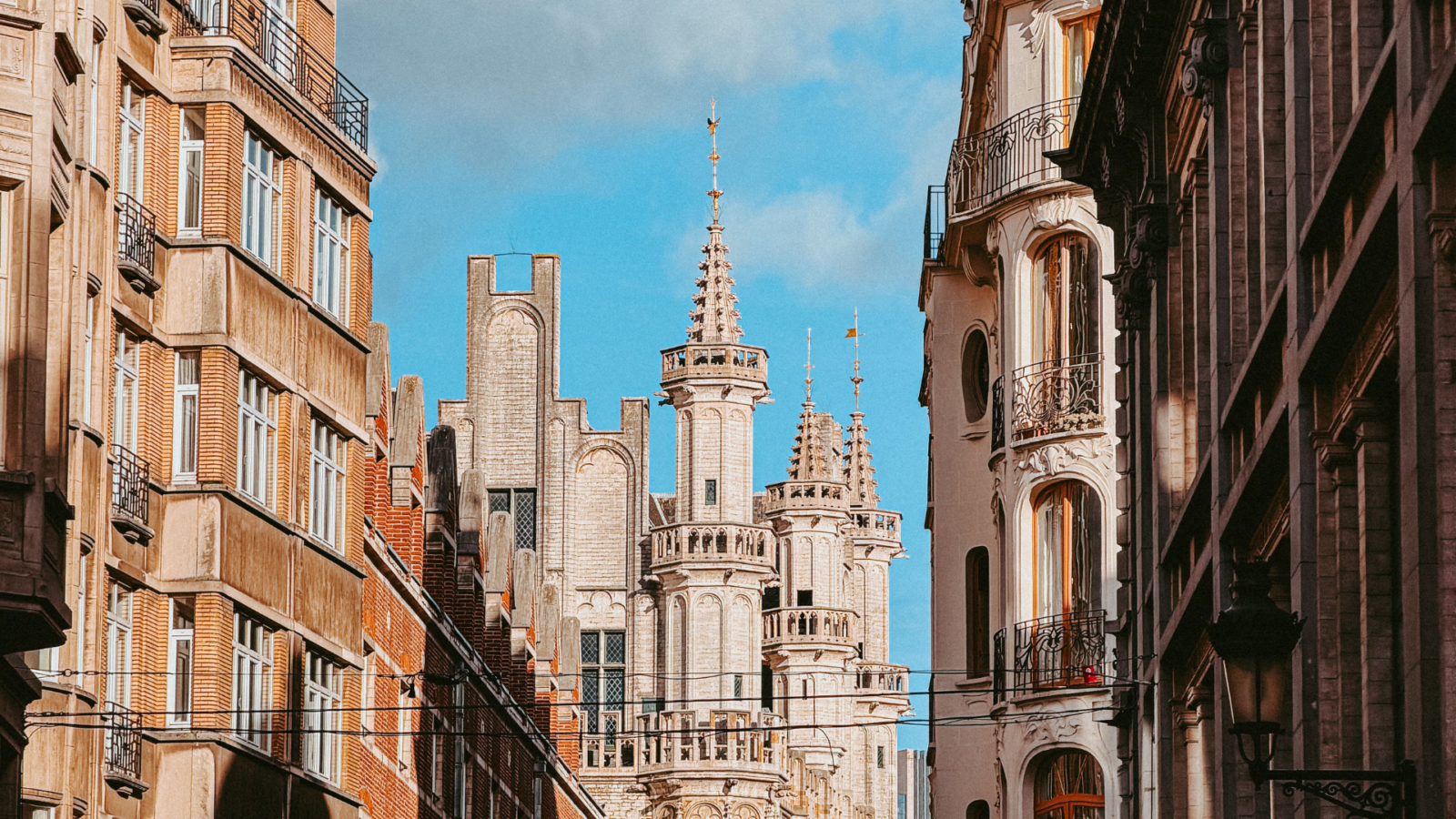
1. The European Quarter: ideal for EU professionals
The European Quarter is one of the most obvious choices for international professionals working in Brussels.
The area around Schuman, Rue de la Loi, Leopold Park and the European institutions combines offices, restaurants, public transport and green spaces. It is also much more than an office district: the neighbourhood has been evolving, with more housing, shops, public services and pedestrian-friendly spaces.
It can be particularly convenient if you work for:
- An international organisation
- A company located around Schuman
The area also offers easy access to the rest of Brussels by public transport.
Best for: EU employees, international professionals and people who value a short commute.
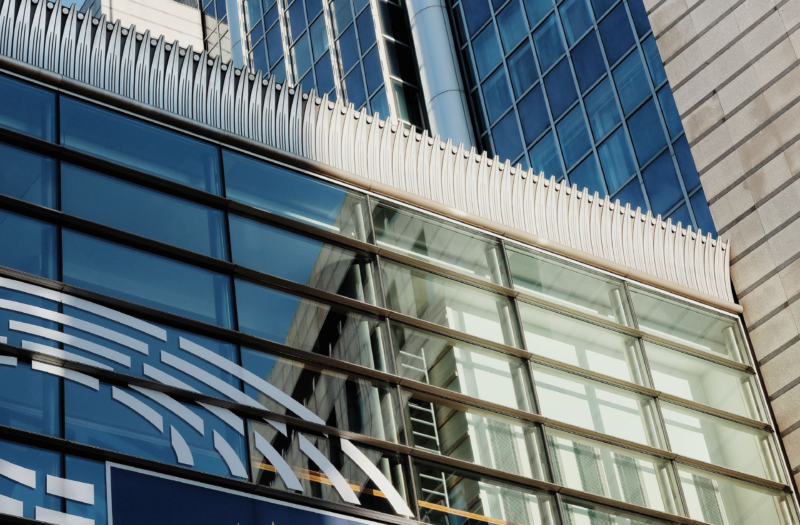
2. Brussels City Centre: for those who want to experience the city
If your priority is to be close to the action, Brussels city centre is difficult to beat.
Living around the centre puts you close to some of the city’s best-known landmarks, restaurants, cafés, shops and cultural attractions.
The Grand-Place, the Royal Quarter, Sainte-Catherine, Dansaert and the Bourse area are all within easy reach.
The city centre is particularly attractive for expats who want to make the most of their time in Brussels outside working hours.
Best for: young professionals, couples, newcomers and people who enjoy restaurants, culture and city life.
3. Ixelles and Flagey: cosmopolitan and lively
Ixelles is one of the most popular choices for international residents.
The area around Flagey and the Ixelles Ponds combines cafés, restaurants, cultural venues and green spaces. Visit Brussels describes Flagey as a cosmopolitan cultural hub, while the neighbouring Châtelain area is known for its Art Nouveau architecture, galleries and restaurants.
It is a particularly good choice if you want a neighbourhood that feels local while remaining close to the centre.
Best for: couples, young professionals, creatives and people looking for a lively neighbourhood atmosphere.

4. Saint-Gilles: a neighbourhood with a village feel
Saint-Gilles offers a different side of Brussels.
The centre of Saint-Gilles has a strong local identity, with cafés, restaurants, independent shops and terraces around the Parvis de Saint-Gilles. Visit Brussels describes it as a neighbourhood where you can have the feeling of being in a village while remaining in the city.
It is also particularly interesting for architecture lovers, with numerous Art Nouveau buildings.
Best for: people looking for a lively, local and multicultural atmosphere.
5. Sablon and the Marolles: character and history
If you want to experience a more historic side of Brussels, look at the Sablon and Marolles.
The Sablon is known for its elegant atmosphere, antiques and chocolate shops, while the Marolles has a more traditional and eclectic character, with cafés, independent shops and the famous Place du Jeu de Balle.
Best for: culture lovers, foodies and people looking for character.
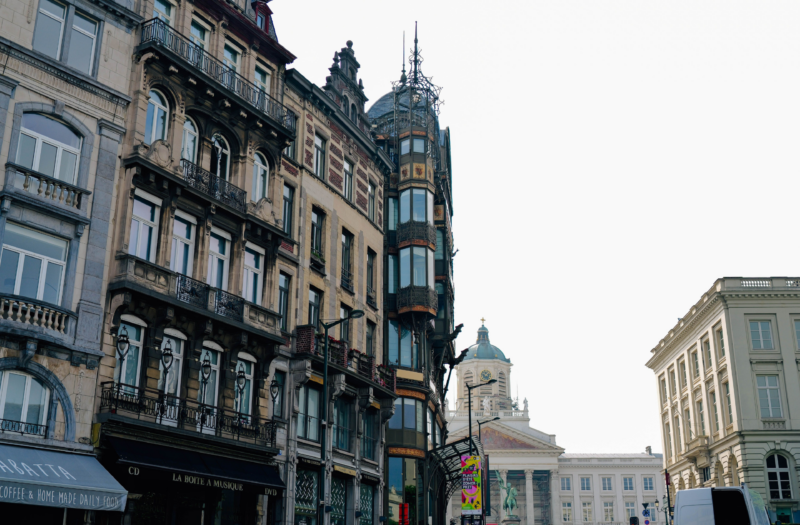
6. Diegem: practical for international professionals
Not every expat needs to live in central Brussels.
Diegem can be particularly interesting for professionals who work near the airport, NATO, the Brussels Airport business area or companies located around the Brussels periphery.
The main advantage is practicality: you can enjoy a quieter environment while remaining close to Brussels and the airport.
Best for: frequent travellers, professionals working near the airport and people who prefer a quieter environment.
So, Where should you live in Brussels?
There is no single “best” neighbourhood in Brussels.
Instead, ask yourself three questions:
Where do I work?
A short commute can make a huge difference to your everyday life.
What kind of lifestyle do I want?
Do you want restaurants and nightlife on your doorstep, or would you prefer parks and a quieter atmosphere?
How long am I staying?
The priorities of someone moving to Brussels for three months can be very different from those of someone relocating permanently.
At RentMore, we understand that choosing a home starts with choosing the right location. Our furnished apartments are designed for people who want a comfortable and convenient place to live while discovering Brussels.
FAQ
The European Quarter, the city centre and Ixelles are among the areas worth considering. The right choice depends on your workplace and lifestyle.
The European Quarter, or nearby, is one of the most convenient options.
Yes. It is particularly suitable for people who want easy access to restaurants, culture, shopping and nightlife.
Yes. Ixelles is popular with international residents and offers a combination of restaurants, cafés, culture and residential streets.
Brussels is highly international, and English is widely spoken in many professional and expat environments. Neighbourhoods such as the European Quarter, Ixelles and the city centre can be particularly comfortable for international newcomers.
Diegem can be a good option for expats who prioritise convenience, accessibility and proximity to Brussels Airport, NATO or nearby international companies. It can also appeal to people who prefer a quieter environment than the city centre.
Rental prices vary significantly depending on the location, size, condition and whether the apartment is furnished. Expats should also consider utilities, internet, insurance and the rental guarantee when calculating their housing budget.
Yes, depending on the rental provider and your personal situation. Some professional rental providers offer processes designed for international tenants, allowing them to arrange accommodation before arriving in Brussels.
Start with your daily routine rather than the apartment itself. Identify your workplace, preferred transport options, favourite activities and desired lifestyle, then look for neighbourhoods that match these priorities.
Yes. Furnished, move-in ready apartments are available in several Brussels neighbourhoods. They can be particularly convenient for expats who are relocating from abroad and want to avoid buying furniture and organising their home immediately after arrival.
Working with a professional rental provider can simplify the process, particularly if you are searching from abroad. Providers such as RentMore specialise in furnished accommodation for international tenants and can help make the relocation process more straightforward.